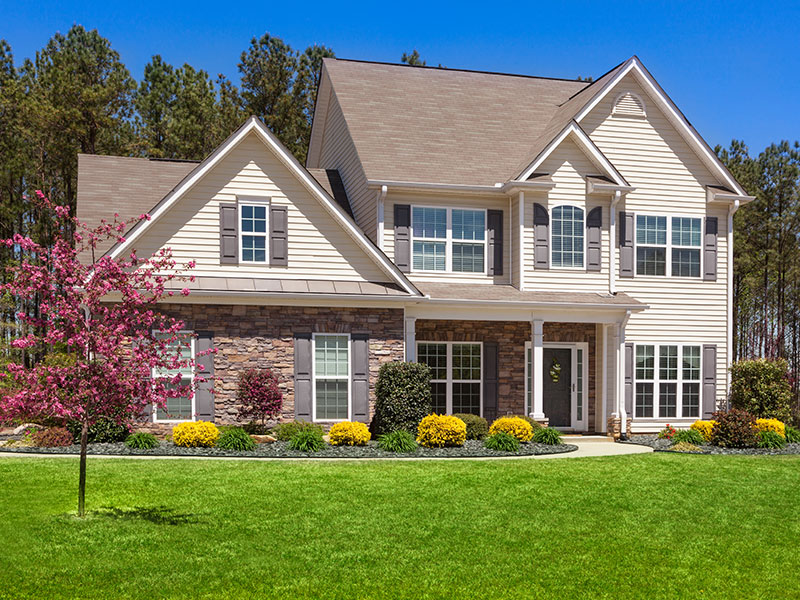
House Washing Timeline: How Long Does a Professional Clean Stay ‘Bright’?

If you are planning professional house washing, you likely want to know how long the clean will actually last. The short answer is that results typically hold between 6 and 18 months, but the real answer depends on your home’s surfaces, shade and sun exposure, and local moisture. For the longest-lasting result, choose a soft-wash approach that treats and neutralizes organic growth at the root. To see what that looks like, explore our house washing service and the methods that protect your siding.
What “Lasts” Means For A Clean Exterior
When homeowners ask how long house washing lasts, they are usually asking two things. First, how long the siding will look bright from the curb. Second, how long before algae, mildew, or grime begin to reappear. A professional service should remove existing buildup and leave a microscopic barrier that slows regrowth. That barrier can be impacted by rain frequency, irrigation overspray, trees, and even the direction your home faces.
Typical Timelines By Surface Type
Different materials shed dirt and organic growth at different rates. The timelines below reflect averages our industry sees in typical suburban neighborhoods in the United States. Your exact results will vary with weather and exposure.
- Vinyl siding: bright appearance often 9 to 18 months. Heavily shaded walls may see algae begin returning around the 9 to 12 month mark.
- Painted wood: bright appearance 6 to 12 months. Pollen and dust can bond faster to textured paint, especially near trees.
- Fiber cement: bright appearance 9 to 18 months. Smooth coatings tend to resist buildup better than rough finishes.
- Stucco: bright appearance 6 to 12 months. Its pores can hold moisture, so gentle post-treatments matter.
- Brick: bright appearance 12 to 24 months. Porous mortar joints can darken earlier on the damp side of the house.
How Shade, Sun, And Moisture Change The Timeline
Algae and mildew love three things: shade, still air, and moisture. North-facing or tree-covered walls stay wetter after rain and morning dew. Shaded north-facing walls will show algae first, especially where gutters drip or sprinklers mist the siding. In contrast, sunny walls dry faster and often stay bright longer, though they can collect dust more quickly along busy roads.
Humidity is another big driver. Coastal humidity accelerates regrowth because salt and moisture feed organic films and keep surfaces damp. Homes near lakes, creeks, or dense tree canopies experience similar conditions. If your neighborhood feels sticky in the evening or you see condensation on windows most mornings, schedule cleanings on the earlier side of the range.
Algae Regrowth: What To Expect Month By Month
Think of regrowth like a slow-motion film. Right after a professional wash, surfaces look spotless because organic colonies were treated and rinsed away. Over the next several months, airborne spores land again. If surfaces remain dry most days, colonies struggle to take hold. If they stay damp, microfilms can begin forming that faint green sheen you notice at an angle.
Here is a simple way to picture it:
- Months 0 to 3: bright and residue-free to the eye. Water should bead on many modern coatings.
- Months 4 to 9: in humid or shaded spots, faint algae tint may return. Sunny walls often remain bright.
- Months 10 to 18: most homes benefit from a new wash in this window, especially before pollen or leaf-drop seasons.
Weather Patterns And Seasons In Your Area
Across much of the U.S., spring brings frequent rain and heavy pollen, which coat siding. Summer adds heat and thunderstorms that splash soil up from beds. Fall can pack organic matter into stucco or lap joints, and winter leaves road film on homes near busy streets. If you live in a neighborhood with mature trees or near water, plan on a shorter timeline. If your home sits on an open lot with strong sun and good airflow, you can often stretch the time between cleanings.
Professional Methods That Extend A Bright Finish
Quality is not just about how clean your home looks on service day. It is also about how long that result holds. A soft-wash process uses low pressure and targeted detergents to neutralize algae at the root level. That prevents the quick comeback you might see after high-pressure water alone. Never let anyone use high pressure on your siding, since it can force water behind panels, scar coatings, and shorten the life of caulked joints.
The right post-treatment makes a difference too. Rinsing to a neutral pH helps detergents stop working when they should, and some solutions leave a microscopic film that slows future growth. Careful attention to drip edges, weep holes, and lower courses along mulch beds helps prevent early streaks that make an otherwise clean wall look aged.
Safety first: high pressure can drive water into walls and void some paint warranties. Choose soft washing that relies on chemistry and gentle rinsing. In humid or waterfront neighborhoods, plan professional cleaning every 12 months to keep algae from getting a foothold.
How Long Does House Washing Last Near You?
Most suburban homes stay bright 9 to 18 months after a professional soft wash. In shaded, tree-lined streets or coastal settings, aim for 6 to 12 months. Brick and well-sealed fiber cement often last longer than textured stucco or older painted wood. Regular gutter care and smart landscape watering help too, since constant trickles and overspray are algae magnets.
If you want details on the method we use for longer-lasting results, see our overview of our house washing service. It explains how low-pressure application, dwell time, and thorough rinsing protect siding, trim, windows, and garden beds.
A Simple Maintenance Plan That Works
You do not need a complicated binder to keep your exterior bright. A predictable rhythm through the year is enough. Here is a simple plan many homeowners follow with great success:
- Early spring: schedule a visual check for green tint on the north and east walls and any areas near downspouts.
- Late spring: book your professional wash before the thick of pollen and summer storms.
- Late summer or early fall: walk the property after a rain. If you see a tint reappearing, set your next wash date so it does not settle in over winter.
Many providers also offer maintenance reminders. Ask about flexible plans that fit your schedule and the way your property handles shade and moisture. That keeps your curb appeal steady instead of swinging from spotless to stained.
Signs It Is Time To Schedule Again
Even with the best wash, nature keeps moving. Look for these common markers that the bright phase is ending:
Faint green along trim returns first, especially where sprinklers mist. Powdery gray film on the sunny wall suggests road dust has bonded with a little humidity. You may also notice spiderweb-looking lines at drip edges, which are early algae threads. When you see two or more of these at once, the next cleaning is around the corner.
Why Homes In Coastal And Wooded Areas Need Shorter Intervals
Homes near bays, lakes, or stands of pines face unique conditions. Salt crystals draw moisture, while sap and pollen provide food for films. Wind carries spores from marsh grasses and shaded understories. That is why a house a few streets closer to the water often needs cleaning a month or two sooner than one up the hill. The difference is not service quality. It is microclimate.
What To Expect On Service Day
A professional team will start with a walkaround to note fragile areas, garden beds, and outlets. Windows are checked, and plants are pre-rinsed. Low-pressure detergent is applied from top to bottom, allowed to dwell, then rinsed at gentle pressure. High-touch zones like the north wall beneath trees or the splash zone near mulch beds get extra care. Your home should finish looking bright and even, with no striping or residue.
Dry times vary with weather. On warm, breezy days, siding dries quickly and looks crisp within hours. On still, humid days, rinsing may bead for a while before the final look sets. Either way, that first day after washing is the baseline you will judge longevity against.
Extend The Clean Between Visits
You can help protect your investment without tackling risky DIY cleaning. Trim shrubs away from walls so air flows and surfaces dry faster. Adjust sprinkler heads so they do not mist siding. Keep mulch a few inches below the first courses so soil does not splash as high. Small changes like these delay the return of that green tint and help the professional wash last longer.
How We Help You Maintain A Brighter Home
Mike's Home Wash LLC focuses on a gentle, thorough process that balances appearance and siding health. We use low pressure, appropriate dwell times, and care around caulk lines and weep holes to help delay regrowth. If you want a partner who can plan by season, our team can schedule reminders so your home never slips past that ideal cleaning window.
When you are comparing providers, look for proper insurance, clear processes, and photos of similar materials to yours. Ask how they handle shaded walls and drip edges, and whether they pre-rinse plants. A pro should talk as much about preserving materials as they do about removing grime.
How Long Will Your Next Clean Last?
Every property is unique, yet the patterns above hold true across most neighborhoods. If your home has heavy shade, nearby water, or constant irrigation mist, expect the lower end of the range. If you have open sun and good airflow, you may see your bright finish extend well past a year. Either way, the first and best step is choosing a careful soft-wash process that treats growth at the source.
Ready for a brighter home? Schedule professional house washing with Mike's Home Wash LLC today.
Keep Your Home Brighter Longer With A Trusted Team
To learn how a tailored approach can extend your clean, connect with the local house washing pros at Mike's Home Wash LLC. You will speak with a friendly specialist who understands how shade, sun, and humidity affect your home. To get started or to set up a reminder plan, call 251-200-8424 and ask about scheduling that fits your season and exposure.
If you are ready to lock in long-lasting curb appeal, explore what is included in our professional house washing and how our process helps slow algae from returning. We are here to help you enjoy a brighter home, season after season.
Gallery Photos
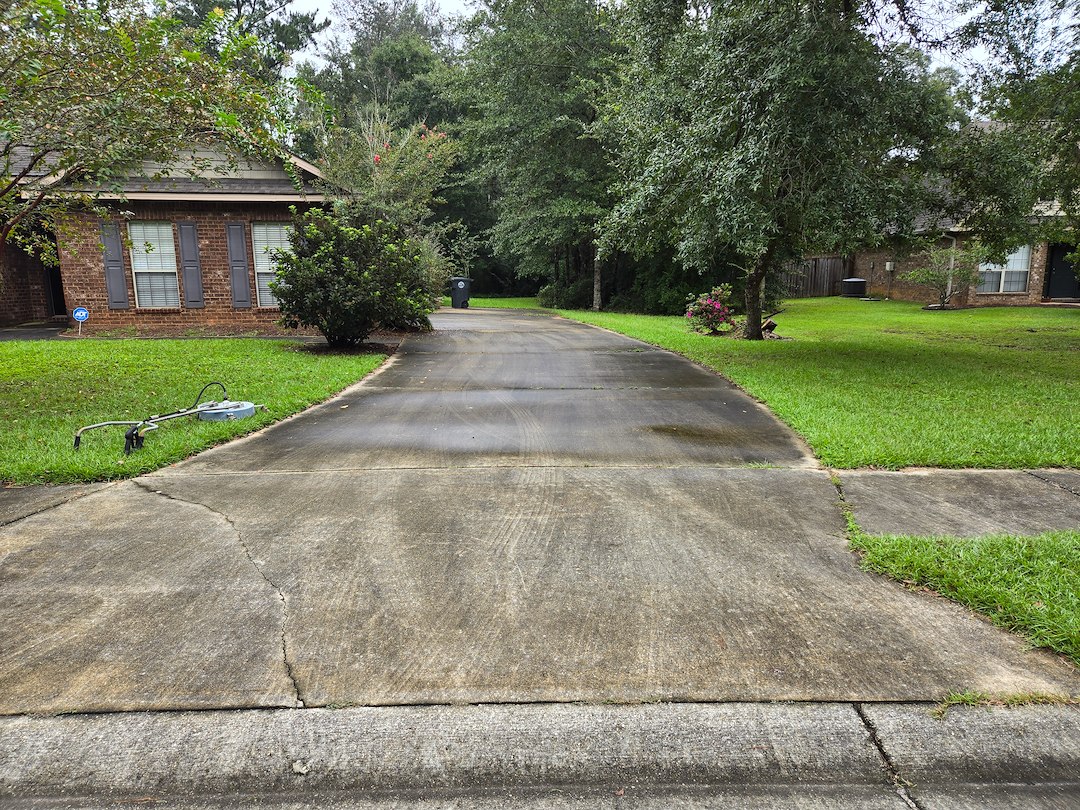
Driveway Cleaning in Fairhope, Alabama
This is a driveway washing recently performed in Fairhope, Alabama Mike's Home Wash. The driveway was almost completely black with mold and dirt buildup from years of neglect, which can be very slippery and dangerous when wet, but with our determination and experience, we were […]
See Project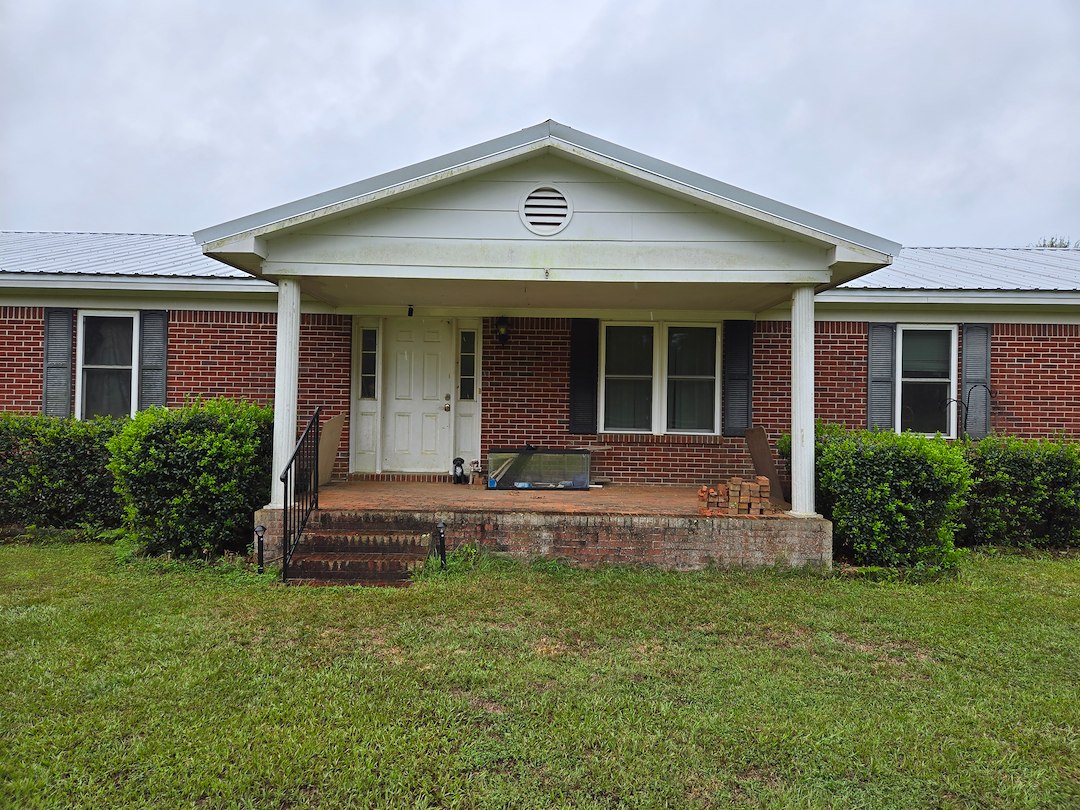
House Washing Performed in Robertsdale Alabama
This house washing service provided in Robertsdale Alabama by Mike's Home Wash was a great example of how our services can improve the beauty of your home. Kathy was ecstatic about how clean her home was after we completely washed away all the algae and mold […]
See ProjectRecent Tips
-
House Washing Timeline: How Long Does a Professional Clean Stay ‘Bright’?
If you are planning professional house washing, you likely want to know how long the clean will actually last. The short answer is that results typically hold between 6 and 18 months, but the real answer depends on your home’s surfaces, shade and sun exposure, and […]
-
Soft Wash vs. Pressure Wash for House Washing: Which Is Safer for Siding?
When your siding starts to look dull or green, it is natural to wonder whether you should rely on soft wash or high-pressure cleaning. Around Mobile Bay, the right choice matters because our salty air, long humid seasons, and shaded live oaks put extra stress on […]